

Farewell to InVision: How I Navigated the Shutdown of a UX Design Staple
For years, InVision was a cornerstone of my UX design workflow. It was more than just a prototyping tool; it was a bridge between design and development, a platform that brought teams together, and a game-changer in the way I presented and tested designs. So when the announcement came that InVision was shutting down, it was both a shock and a turning point.
The Role of InVision in My Workflow
InVision revolutionized the way I worked with clients and developers. With its intuitive prototyping, seamless commenting system, and collaborative features, it made gathering feedback and iterating designs far more efficient than traditional methods. Features like hotspot linking, animations, and interactive prototypes helped me communicate design intent with precision.
For large-scale projects, InVision’s Design System Manager (DSM) kept design components organized and consistent. It also served as a single source of truth for product teams, ensuring that branding and UI elements remained cohesive across multiple screens and platforms.
Preparing for the Change
When the first whispers of InVision’s decline surfaced, I knew it was time to start exploring alternatives. I gradually transitioned my workflow, ensuring that projects and design assets would not be stranded once the platform shut down. Some of the steps I took included:
- Exporting and Archiving – I backed up all my projects, exported prototypes, and documented feedback loops to retain valuable insights.
- Exploring Alternatives – I tested tools like Figma, Adobe XD, and Axure to determine which would best replace InVision’s functionalities.
- Revisiting Collaboration Workflows – Since many teams relied on InVision for design collaboration, I had discussions with developers and stakeholders to ensure a smooth transition to new tools.
- Training and Upskilling – As I moved to Figma, I invested time in learning its deeper capabilities, particularly auto-layout, component variants, and real-time collaboration features.
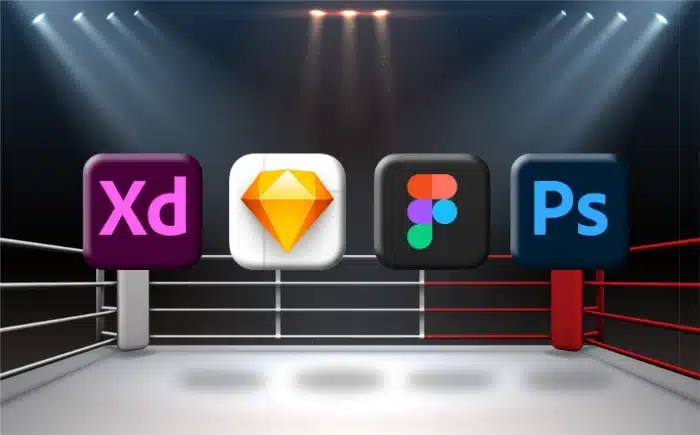
With InVision out, the real fight for dominance continues. Who will stand tall in the UX arena?
The Design Community’s Reaction
The product design community was divided over InVision’s demise. While some saw it as inevitable, given the rise of competitors like Figma and Adobe XD, others mourned the loss of a pioneering tool that shaped the UX industry.
On platforms like Twitter and LinkedIn, designers shared their stories about how InVision had shaped their careers, helped them win clients, or revolutionized their design process. Design agencies and large enterprises that had embedded InVision into their workflows faced operational shifts, having to retrain teams and migrate assets to new platforms.
Despite the nostalgia, many recognized that InVision had struggled to evolve. As tools like Figma introduced real-time collaboration and powerful design-to-code integrations, InVision’s offerings began to feel outdated. The market had moved on, and InVision couldn’t keep up.
The Alternatives: Where Do We Go from Here?
With InVision’s exit, designers have plenty of tools to choose from, each catering to different needs:
- Figma – The industry leader in real-time collaboration, offering powerful prototyping and design features within a single app.
- Adobe XD – A strong alternative with seamless Adobe ecosystem integration, though facing uncertainty after Adobe’s failed Figma acquisition.
- Axure – Ideal for more complex interactions and UX-heavy prototypes that require advanced logic.
- Sketch + Zeplin – A combination still used by some teams for design creation (Sketch) and handoff (Zeplin), though largely overshadowed by Figma.
Moving Forward
The shutdown of InVision was a reminder that no tool is permanent, and adaptability is key in the ever-evolving design landscape. By preparing early, embracing new tools, and refining workflows, I ensured that my design process remained uninterrupted. While I’ll always appreciate the impact InVision had on my career, I’m excited about the innovations that lie ahead.
InVision may be gone, but the lessons it brought to the design world will continue to shape how we build, collaborate, and create digital experiences. The key takeaway? Always be ready to evolve, because the tools we use today may not be here tomorrow.